
Emerging infections how and why they arise GOV.UK

The evolution and emergence of novel viruses is enabled by frequent cross-species transmission. It is thus crucial to determine emerging coronaviruses' potential for infecting different host species, and to identify the circumstances under which cross-species transmission occurs in order to mitigate the rate of disease emergence.
(PDF) CrossSpecies Virus Transmission and the Emergence of New Epidemic Diseases

Although cross-species virus transmission sits at the heart of virus emergence, phylogenetic studies of the frequency with which different virus families are able to jump species boundaries also offer little predictive power as all exhibit a strong tendency to jump hosts.. 2008 Cross-species virus transmission and the emergence of new.
Predicting virus emergence amid evolutionary noise Open Biology

Viral cross-species transmission is at the origin of an increasing number of emerging diseases. This includes well-known zoonoses, such as HIV/AIDS, influenza, Zika, Ebola, monkeypox, and COVID, in addition to other animal and plant diseases. Understanding and ultimately predicting viral emergence has therefore become a research priority ( 1.
Deadly viral outbreaks that originated from animals Infographic News Al Jazeera

Parrish, CR and Holmes, EC and Morens, DM and Park, EC and Burke, DS and Calisher, CH and Laughlin, CA and Saif, LJ and Daszak, P (2008) Cross-species virus transmission and the emergence of new epidemic diseases. Microbiology and Molecular Biology Reviews, 72 (3). 457 - 470. ISSN 1092-2172. Available under License : See the attached license file.
(PDF) Role of Multiple Hosts in the CrossSpecies Transmission and Emergence of a Pandemic

Among the first emerging epidemic diseases to be identified by one such method was the hantavirus. Morens, DM, et al. Cross-species virus transmission and the emergence of new epidemic diseases.
Emerging and ReEmerging Viral Diseases The Case of Coronavirus Disease19 (COVID19)
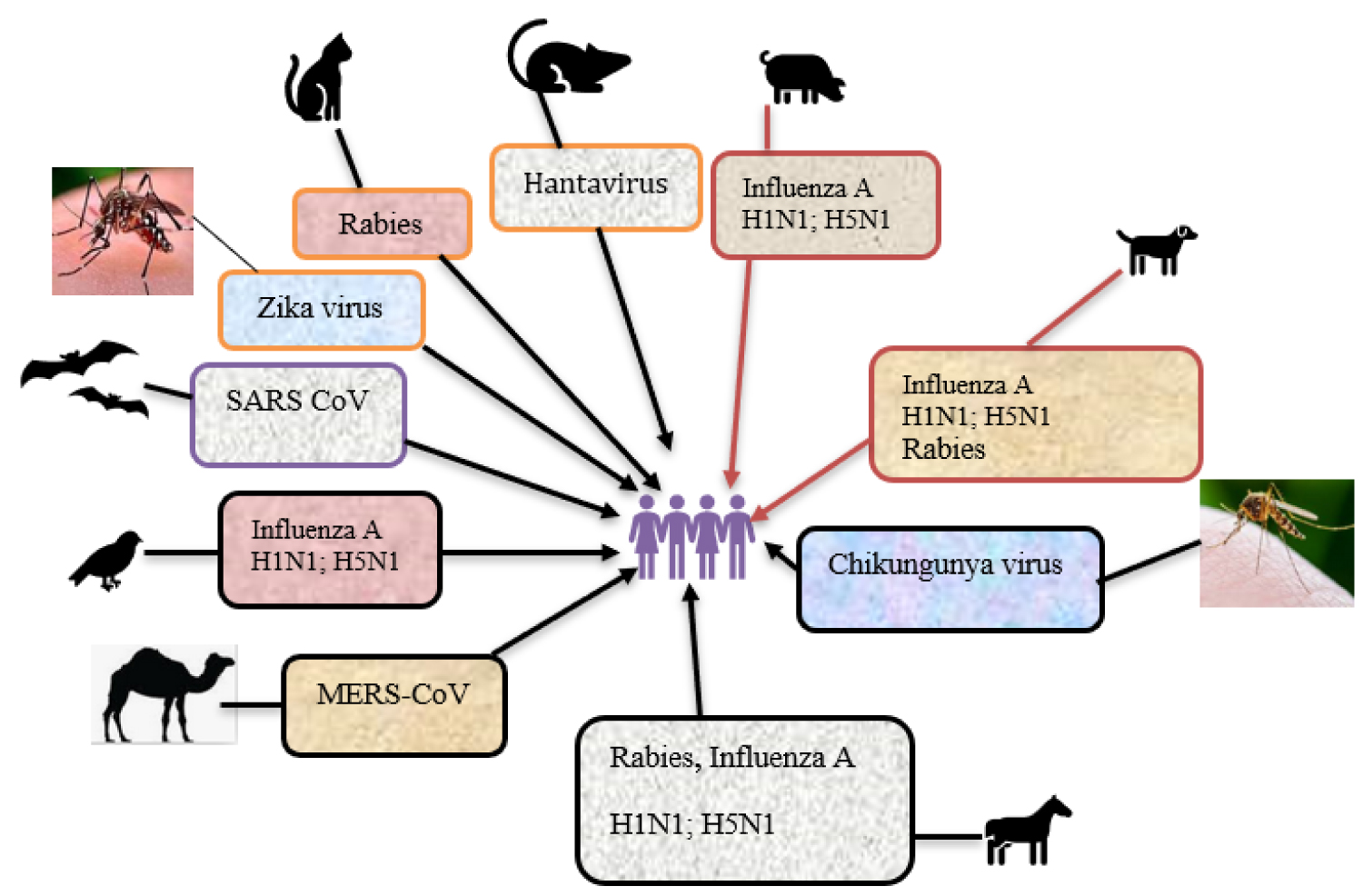
Frontiers Emergence and Autochthonous Transmission of Dengue Virus Type I in a LowEpidemic

Parrish R, Holmes C, Morens M, et al. Cross-species virus transmission and the emergence of new epidemic diseases. Microbiol Mol Biol Rev. 2008;72(3): 457 - 470. , , [Web of Science ®], [Google Scholar] Longdon B, Brockhurst A, Russell A, et al. The evolution and genetics of virus host shifts. PLoS Pathog. 2014;10(11): e1004395.
Artwork illustration of DNA doublehelix & animals representing cross species virus transmission

When a virus infects a member of a new species,. Cross-species virus transmission and the emergence of new epidemic diseases. Microbiology and Molecular Biology Reviews, 72(3), 457-470. Rodriguez-Frandsen, A., Alfonso, R., & Nieto, A. (2015). Influenza virus polymerase: Functions on host range, inhibition of cellular response to infection.
The ecology and adaptive evolution of influenza A interspecies transmission Joseph 2017

At least 10,000 virus species have the ability to infect humans but, at present, the vast majority are circulating silently in wild mammals1,2. However, changes in climate and land use will lead.
Disease Transmission Types12 Stock Vector Illustration of oral, coronavirus 190037761
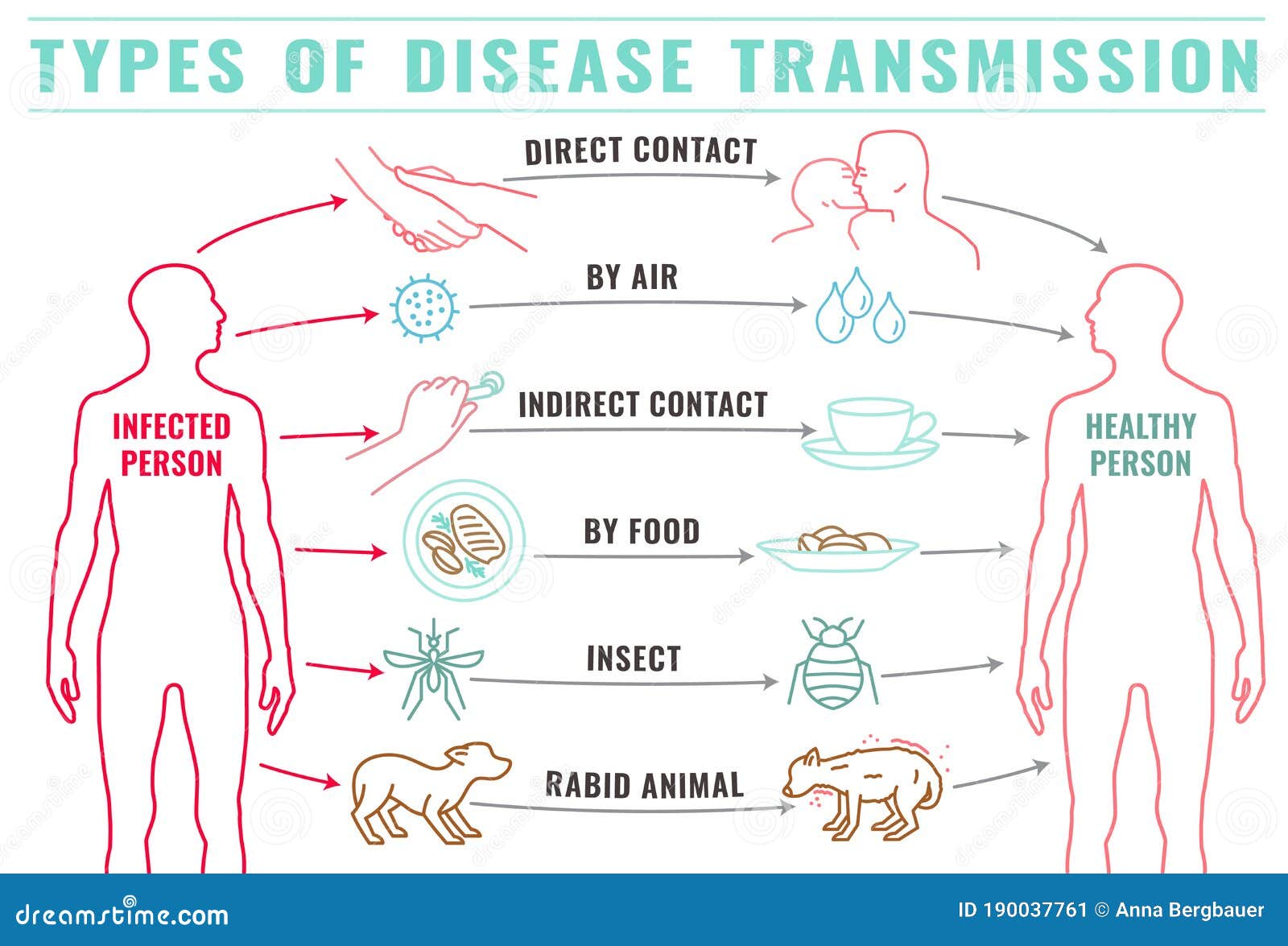
Cross-species virus transmission and the emergence of new epidemic diseases Microbiol Mol Biol Rev. 2008 Sep;72. Steps involved in transfers of viruses to new hosts include contact between the virus and the host, infection of an initial individual leading to amplification and an outbreak, and the generation within the original or new host of.
Zoonotic pandemics viruses, animals, and humans in a globalised world ProVeg International

The level of genetic variation is important, and most viruses transferred to new hosts are poorly adapted, replicate poorly, and are inefficiently transmitted, so that the greater the rate of variation the more likely a virus is to adapt to the new host. This indicates that cross-species transmission should be more common in rapidly evolving.
Emerging and ReEmerging Viral Diseases The Case of Coronavirus Disease19 (COVID19)
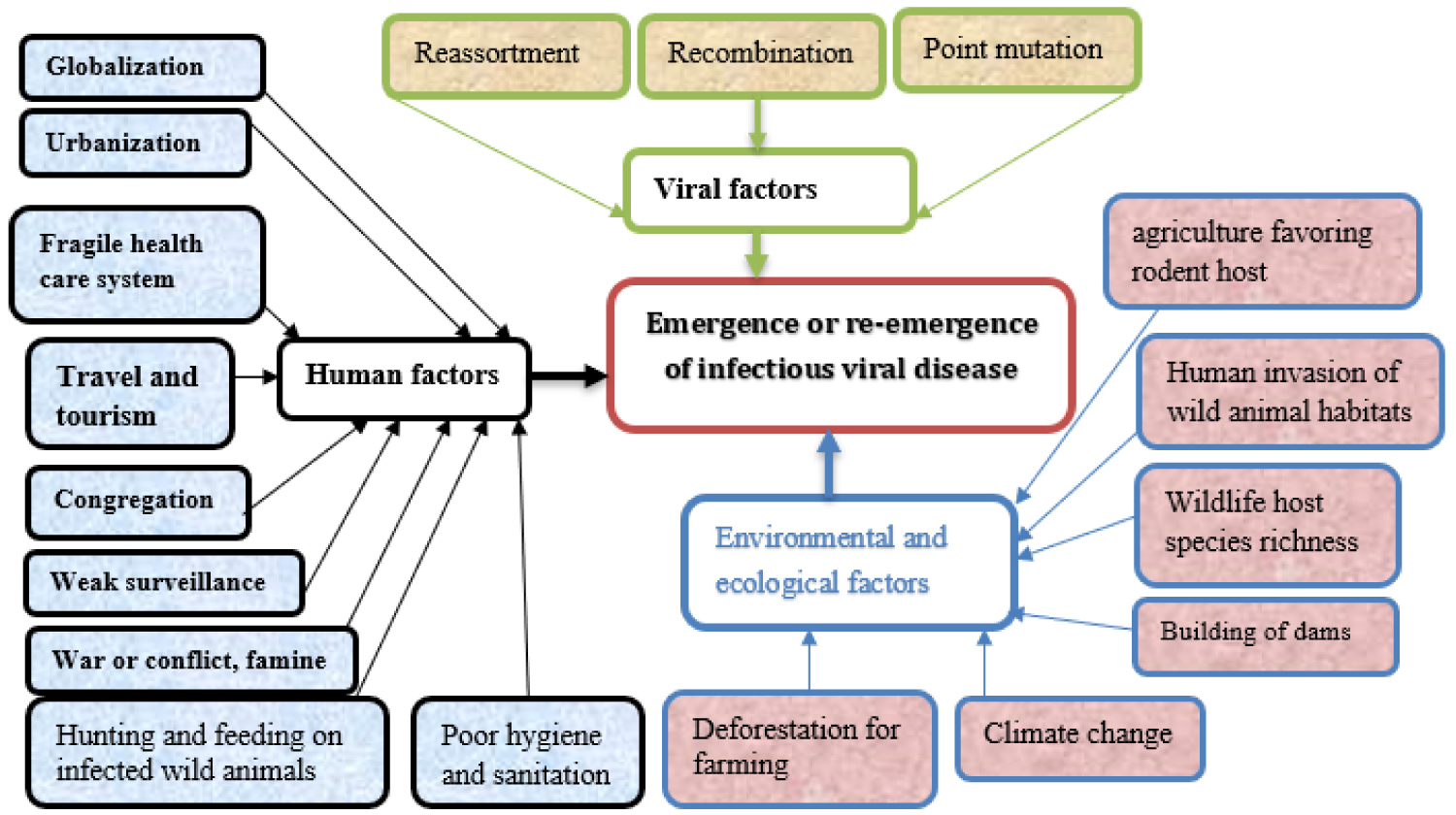
Cross-species viral transmission refers to the infection of a new host species by a virus,. C. R. et al. Cross-species virus transmission and the emergence of new epidemic diseases. Microbiol..
Key Viral Adaptations Preceding the AIDS Pandemic Cell Host & Microbe

Cross-Species Virus Transmission and the Emergence of New Epidemic Diseases Colin R. Parrish, 1 * Edward C. Holmes, 2 David M. Morens, 3 Eun-Chung Park, 4 Donald S. Burke, 5
THREAT OF ZOONOTIC DISEASES FROM WILDLIFE Pashudhan praharee
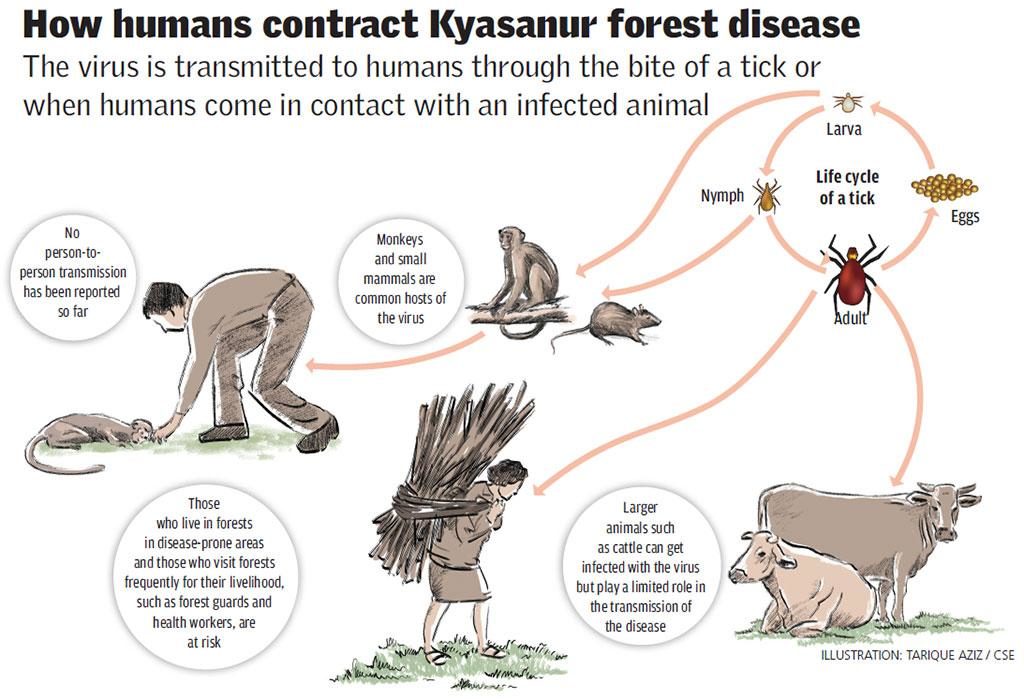
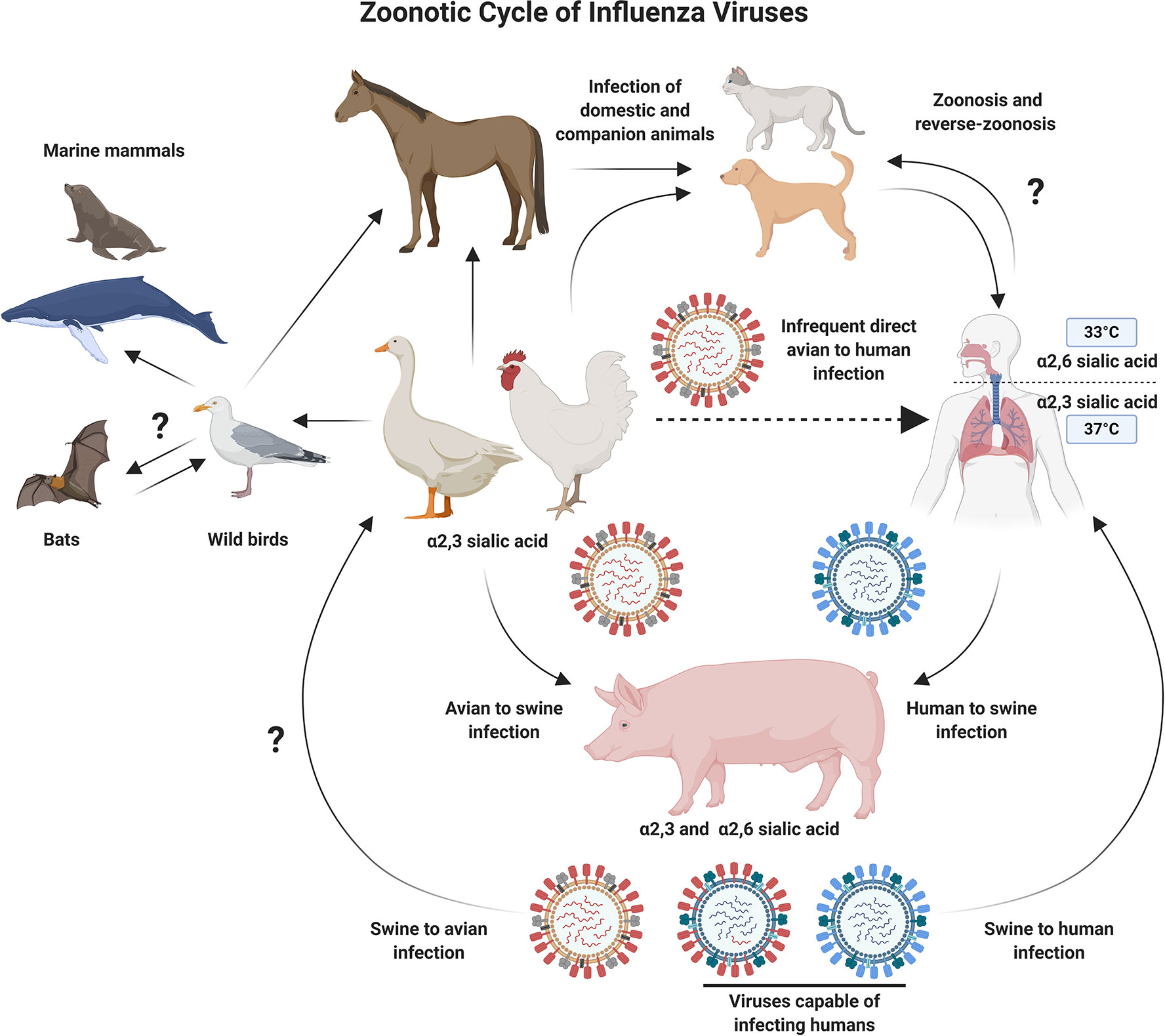
The scenario of cross-species transmission may be explained simply by using the example of the 1918 flu pandemic. It is said to have originated in a farm where a bird with the flu virus and a human with another flu virus came in contact with a pig. The virus in the bird couldn't affect humans and vice versa however, they both could infect the.
Frontiers Adenoviral Vectors as Vaccines for Emerging Avian Influenza Viruses
The ongoing COVID-19 pandemic, caused by zoonotic SARS-CoV-2, has important links to biodiversity loss and ecosystem health. These links range from anthropogenic activities driving zoonotic disease emergence and extend to the pandemic affecting biodiversity conservation, environmental policy, ecosystem services, and multiple conservation facets. Crucially, such effects can exacerbate the.
Routes of transmission and human exposure to animal viruses and bacteria. Download Scientific

An occasional virus gains the ability to spread in the new host ( R 0 Ͼ 1), and under the right circumstances for transmission those viruses will emerge and create a new epidemic.