
Natural Linen Dressmaking Fabric FloJo Fabrics
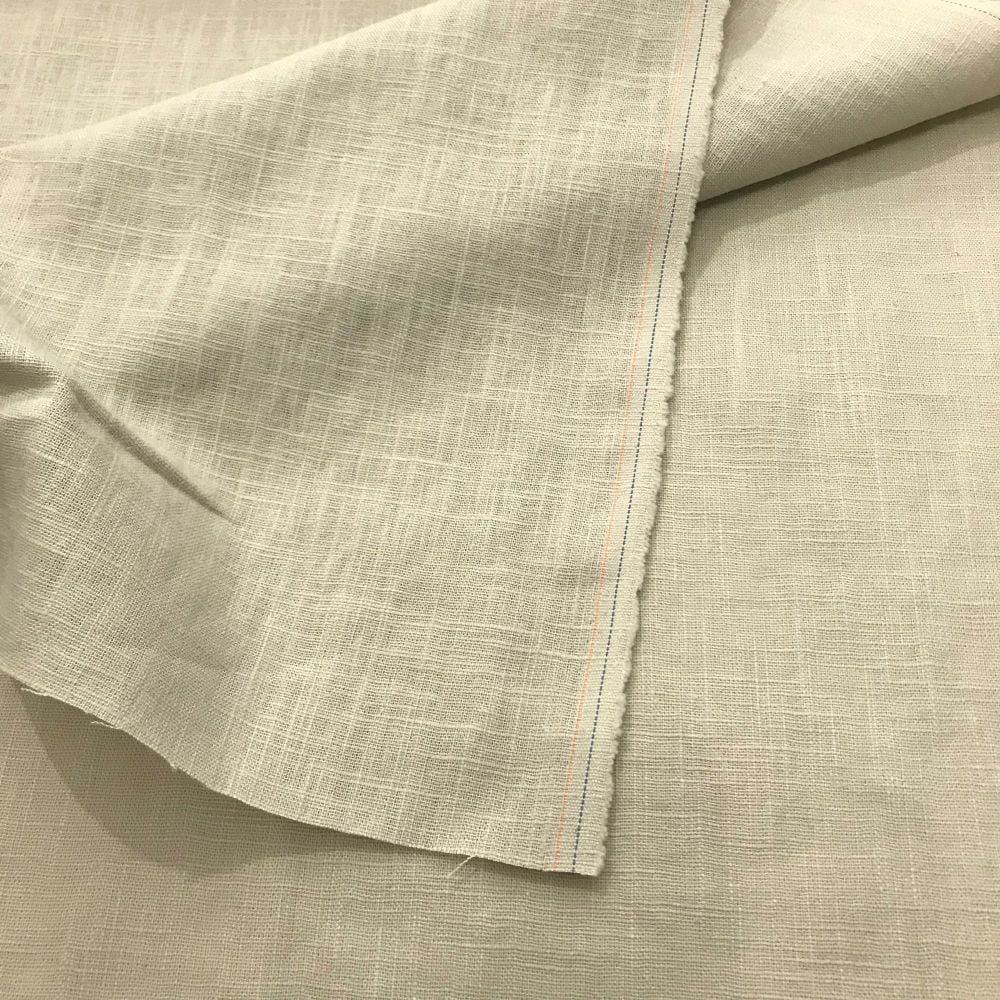
In fact, linen is one of the oldest natural fibers around—it goes back thousands of years,. Because linen is a natural fiber, it's fully compostable (provided toxic chemicals, dye, or synthetic fibers haven't been added). We don't want to get (f)lax on painting the whole picture here, so let's also look at some linen disadvantages.
Flax/Linen Fibers natural bast fibers
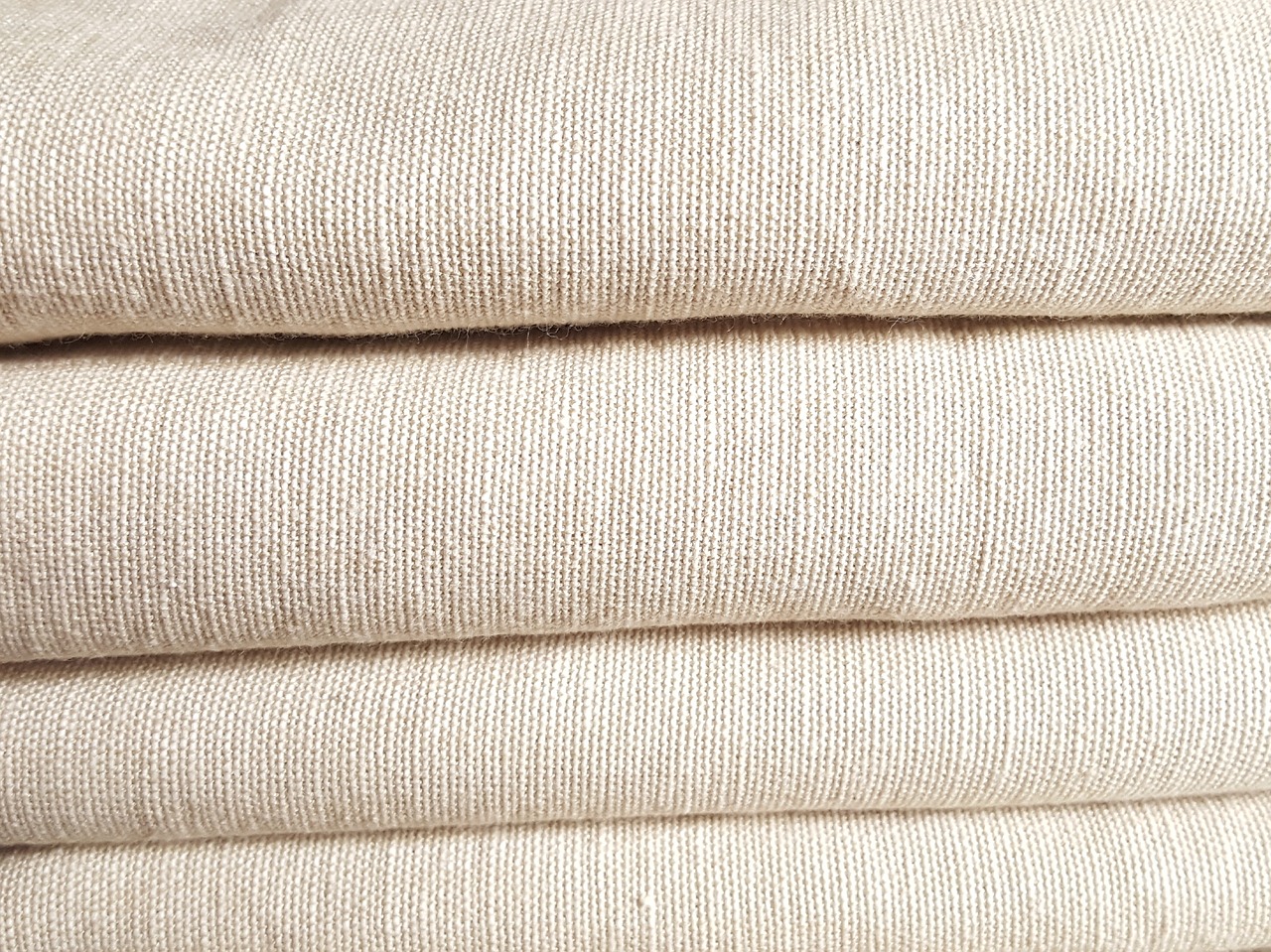
linen, Fibre, yarn, and fabric made from the flax plant. Flax is one of the oldest textile fibres used by humans; evidence of its use has been found in Switzerland's prehistoric lake dwellings.Fine linen fabrics have been discovered in ancient Egyptian tombs. The fibre is obtained by subjecting plant stalks to a series of operations, including retting (a fermentation process), drying.
Natural Fibers Form EcoFriendly TextileReinforced Concrete ProSales

Linen is a natural and sustainable fibre that has been used for thousands of years. Unlike other synthetic fabrics, linen production does not involve the use of harmful chemicals and does not generate toxic waste. In addition, the flax plant requires less water and fewer pesticides than other plants used to make fabrics, making it a more.
Linen fabric. Natural Stripped1 linen. Medium weight linen. Baltic
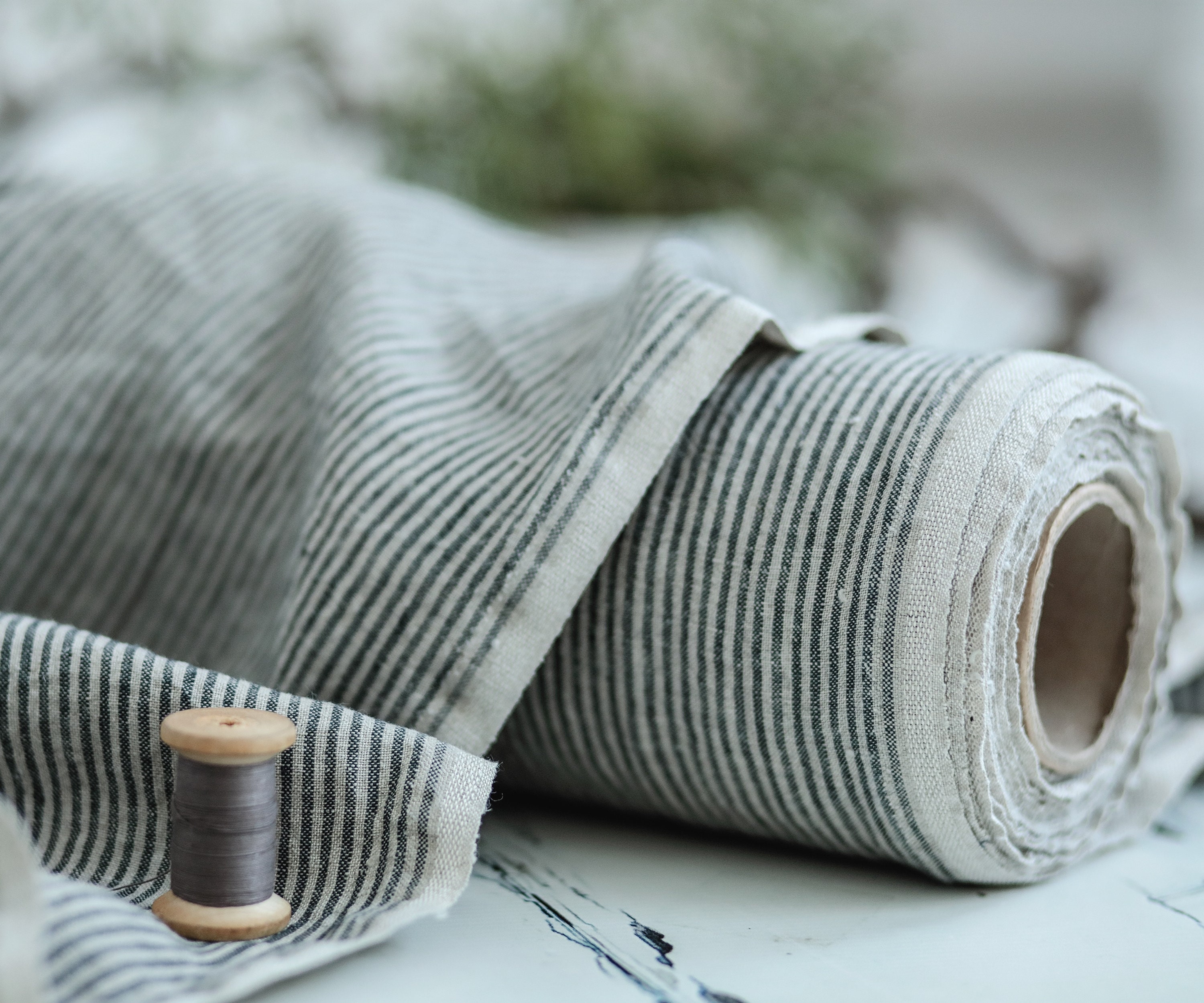
Natural fabrics are derived from plants and animals, while synthetic fabrics are made from chemical compounds. Both types of fabric differ greatly in terms of breathability, weight, skin sensitivity, durability, cost, and absorption. They each have benefits and drawbacks, and each is valued in the textile industry for different reasons.
10 Easy Natural Dyes for Fabric (incl. Viscose & Linen) Utopia
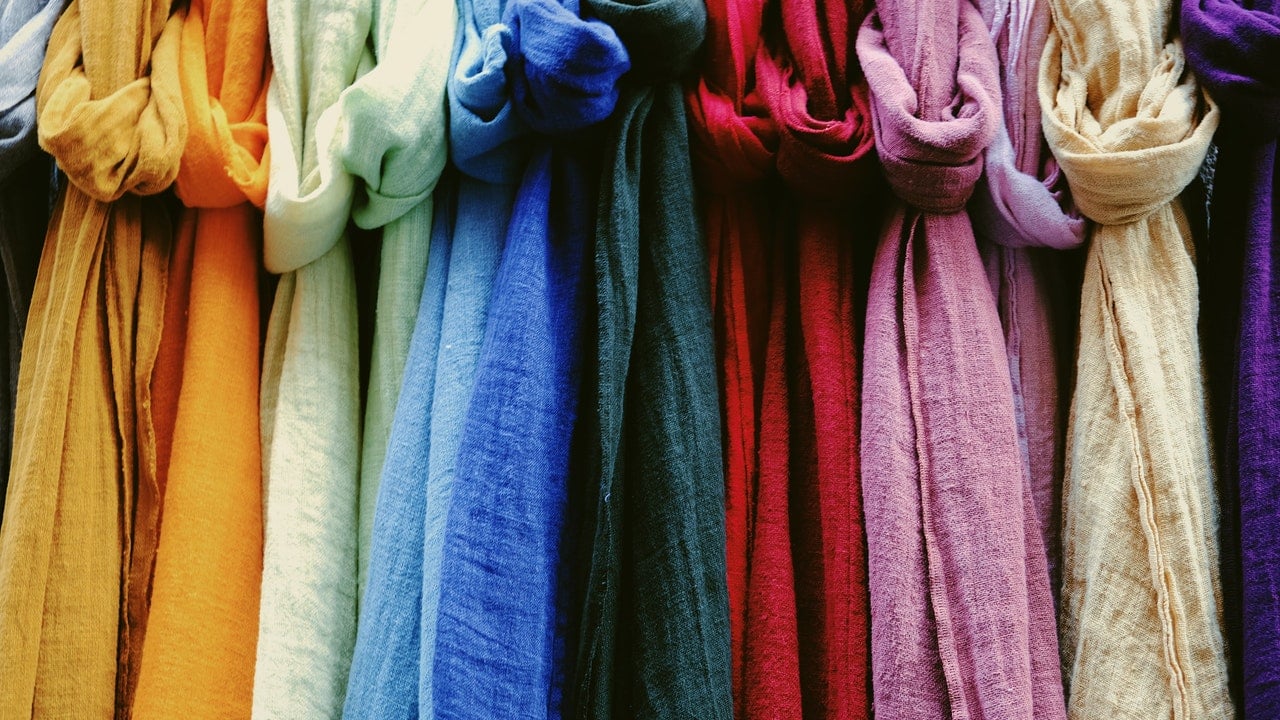
Stain Resistant. Synthetic fabrics are fiber characteristics produced from artificial sources such as synthetic fibers, recycled synthetic fibers, or in staple or filament form. A common synthetic fabric is polyester which tends to stain less than a natural alternative like cotton that readily absorbs moisture.
Diana Linen Natural DK Fabrics

A linen handkerchief with drawn thread work around the edges Linen cloth recovered from Qumran Cave 1 near the Dead Sea Flax stem, fiber, yarn and woven and knitted linen textiles. Linen (/ ˈ l ɪ n ə n /) is a textile made from the fibers of the flax plant.. Linen is very strong and absorbent and dries faster than cotton.Because of these properties, linen is comfortable to wear in hot.
Natural Linen I Do Linens

Cotton, a natural fiber, is known for its breathability and comfort. Polyester, a synthetic fiber, is prized for its strength, durability, and resistance to shrinking and wrinkling. The choice between Cotton vs Polyester often depends on the desired characteristics of the final product.
Light Weight Natural Linen Y1000NT060 Ulster Linen
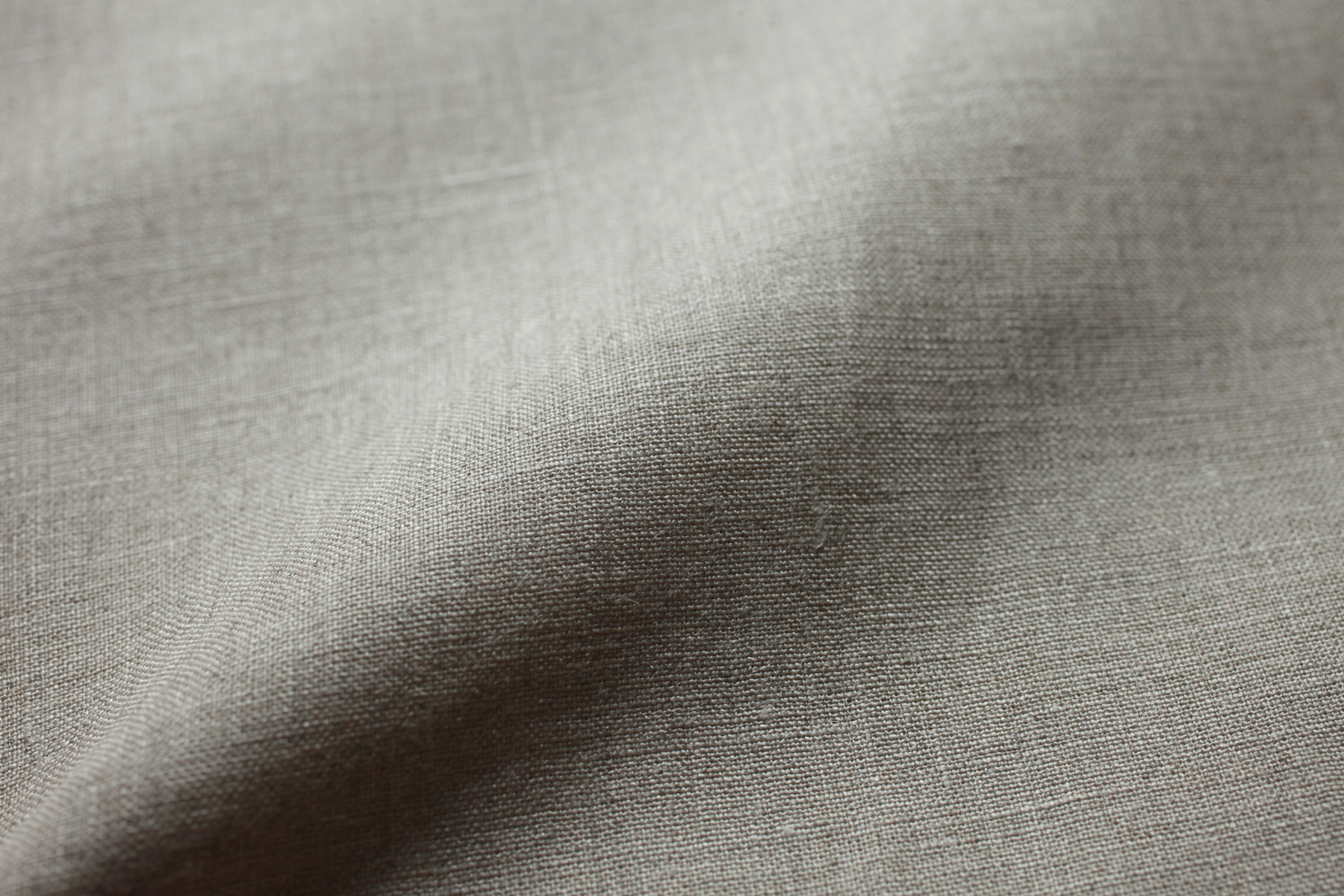
By choosing hypoallergenic natural fibers, such as wool and linen, individuals can prioritize both comfort and skin health, avoiding potential irritations that synthetic materials might cause. For those seeking clothing or bedding that's gentle on the skin, opting for natural fibers with hypoallergenic properties is a wise choice.
Linen is one of the oldest fabrics in the world. For thousands of years

Image via Mungo. Natural fibers are gleaned from naturally-occurring plants and animals. Though they may not be as futuristic or purpose-driven as the onslaught of synthetic materials on the market, they do channel the properties of the substance from which they are derived. And like anything in nature, these fibers decay, but they do so naturally.
Linen Fabric, Natural Linen & Cotton

Linen is a natural fabric made from the fibers of the flax plant. It is known for its breathability, durability, and eco-friendliness. Unlike synthetic fabrics, linen is a renewable resource and requires less water and energy to produce. Linen fabric is often blended with other natural fibers, such as cotton, to create a soft and comfortable.
Synthetic vs. Natural Fibers For Your Health and the
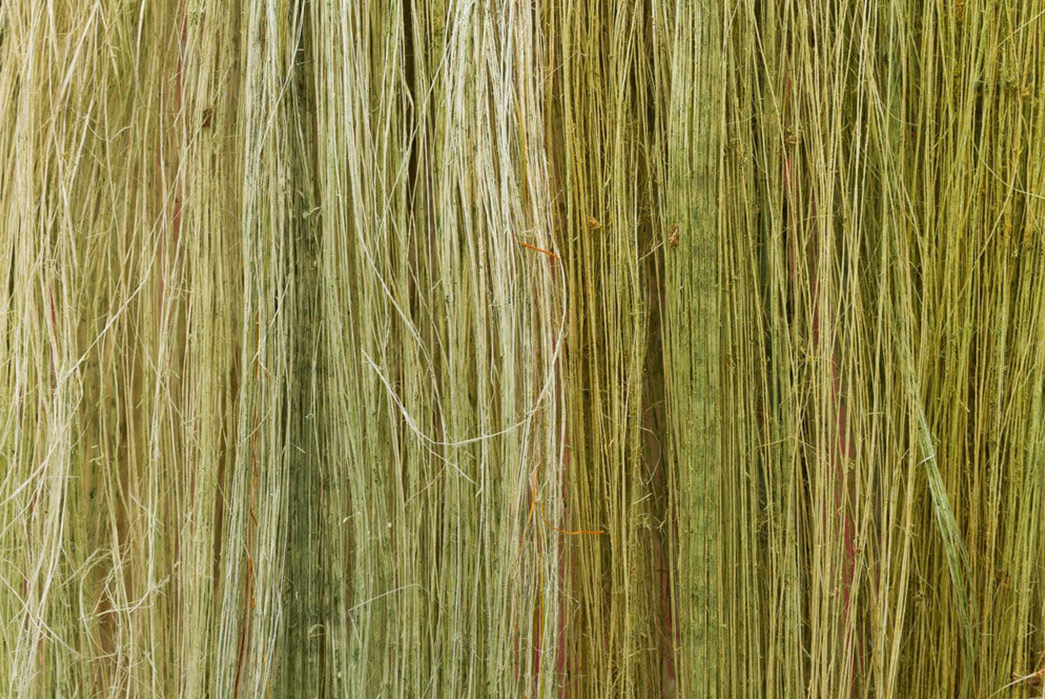
Basically, any imperfections or unevenness, qualities that all human skin has, stand out next to a more uniform, homogeneously smooth material. Linen, in contrast, has a more dynamic texture. "The fabric has life to it. It always just felt like it fit better on a person.
Undyed Linen Fabric by the Yard Natural 100 Linen Flax Etsy
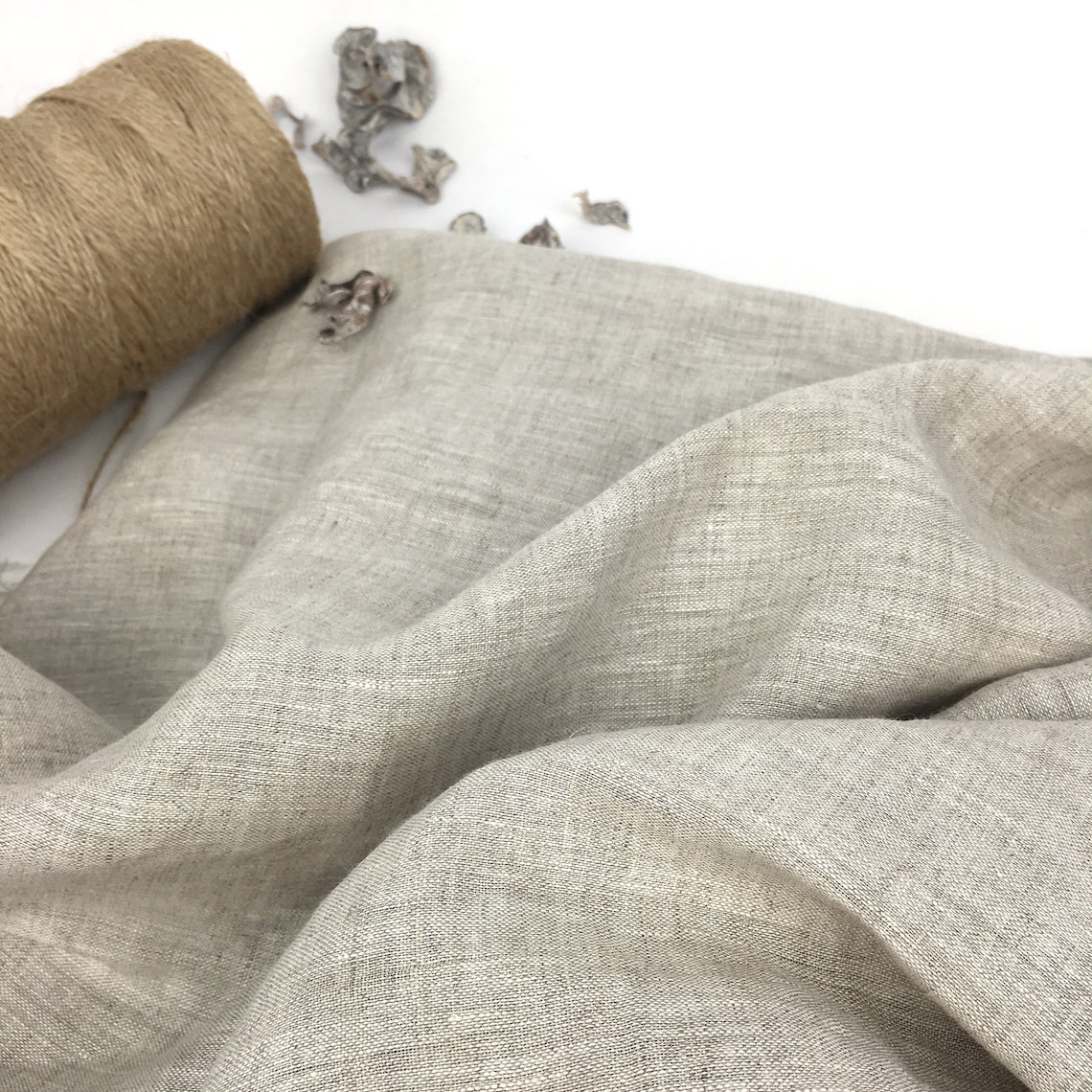
Linen is a natural fiber derived from the flax plant. It is known for its exceptional breathability, moisture-wicking properties, and durability. Linen fabric is highly absorbent and dries quickly, making it a great choice for warm weather clothing. Properties of Linen Fabric. Linen fabric is known for its crisp texture and natural luster.
Natural linen fabric Softened linen fabric by yard 100 Etsy
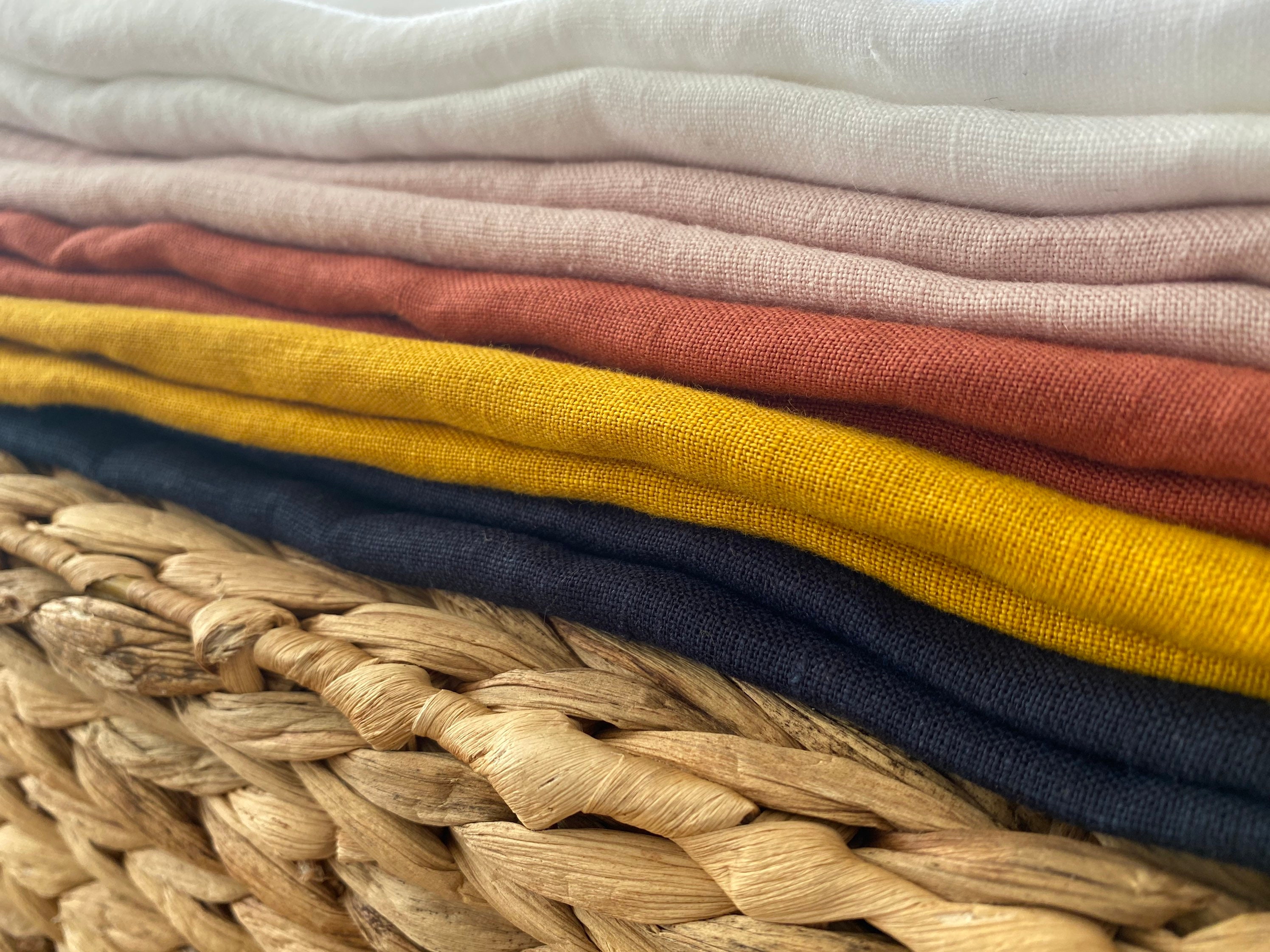
Linen is another popular natural fabric - when it is undyed, it's actually completely biodegradable! The flax plant that it comes from has a diverse range of uses and no part of the plant is wasted. Additionally, a linen shirt uses 6.4 liters of waterduring production, as opposed to 2,700 liters for a cotton shirt.
Linen Natural Basics Threadcount Textile & Design

Fibers can be divided into three groups - natural, synthetic,. The fabric, when it is natural pure linen, is completely biodegradable (and also fast - it starts to decompose in just 14 days). 🌱 Eco-friendly Tip Much like with cotton, Organic Linen is even more gentle to the environment and farmers. Organically grown linen preserves.
Pure Linen Fabric, Natural Not Dyed Linen, Heavy Thick Linen 340 GSM
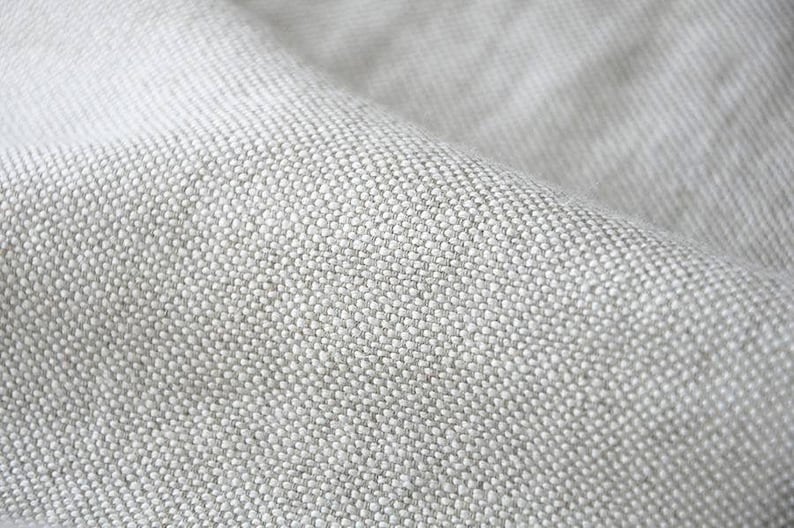
Man made fibers (sometimes called semi-synthetic or regenerated fibers) are made from natural polymers. These include regenerated cellulose, which is a natural fiber made from wood or cotton pulp. Although this type of fiber starts with a natural element, it is processed in a way that makes the resulting fiber more 'synthetic' than.
Natural Linen Fabric Sampler Pack LaptrinhX / News
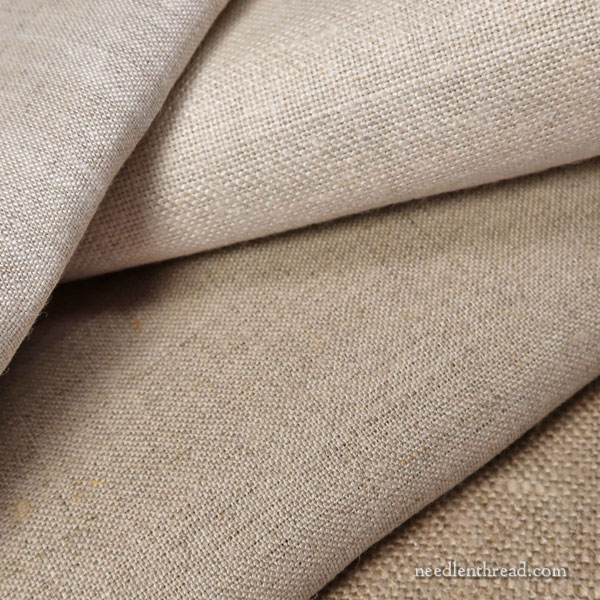
Synthetic fabric also takes a long time to decompose once it's no longer in use. This means more landfill waste. This is one of the main differences between man-made fibers and naturally sourced fabric. Another reason to choose natural fibers like cotton and linen over synthetic materials is how they feel against the skin.