
Burnley Road Academy Calderdale school children help plant 2,000 trees

1. Provide 4-6 hours of bright, indirect sunlight every day. Air plants love bright light but they cannot withstand direct sunlight, which quickly burns their foliage. [1] Place your air plant within 3-5 feet (0.91-1.52 m) of a south, east, or west-facing window to ensure it gets plenty of bright, filtered sunlight.
Growing New Snake Plants How to Multiply Your Greenery Everyday
.jpg)
The Best Air Plant Environment. For healthy air plants, try to channel their tropical heritage. They prefer bright, dappled light and warm, well-circulated air. Avoid placing them in temperatures.
UAW seeks landmark win in third Tennessee VW plant vote WTAQ News

Growing air plants from cuttings is a relatively simple process that can save you money in the long run, especially if you want to expand your collection. After an air plant blooms, it produces.
InPlant Equipment and Systems How Manufacturers Are Offering
Tillandsia plants have been around for hundreds of years. These fascinating little plants have been around for a while and were discovered way back in the 1600s.Interestingly, Tillandsia is not synonymous with all air plants; it's simply the name of the most popularly known family of air plants. For those who think air plants have a bit of an exotic feel, you'd be spot on.
Air Plant Tillandsia ionantha 'Rubra' (One Plant) Little Prince To Go
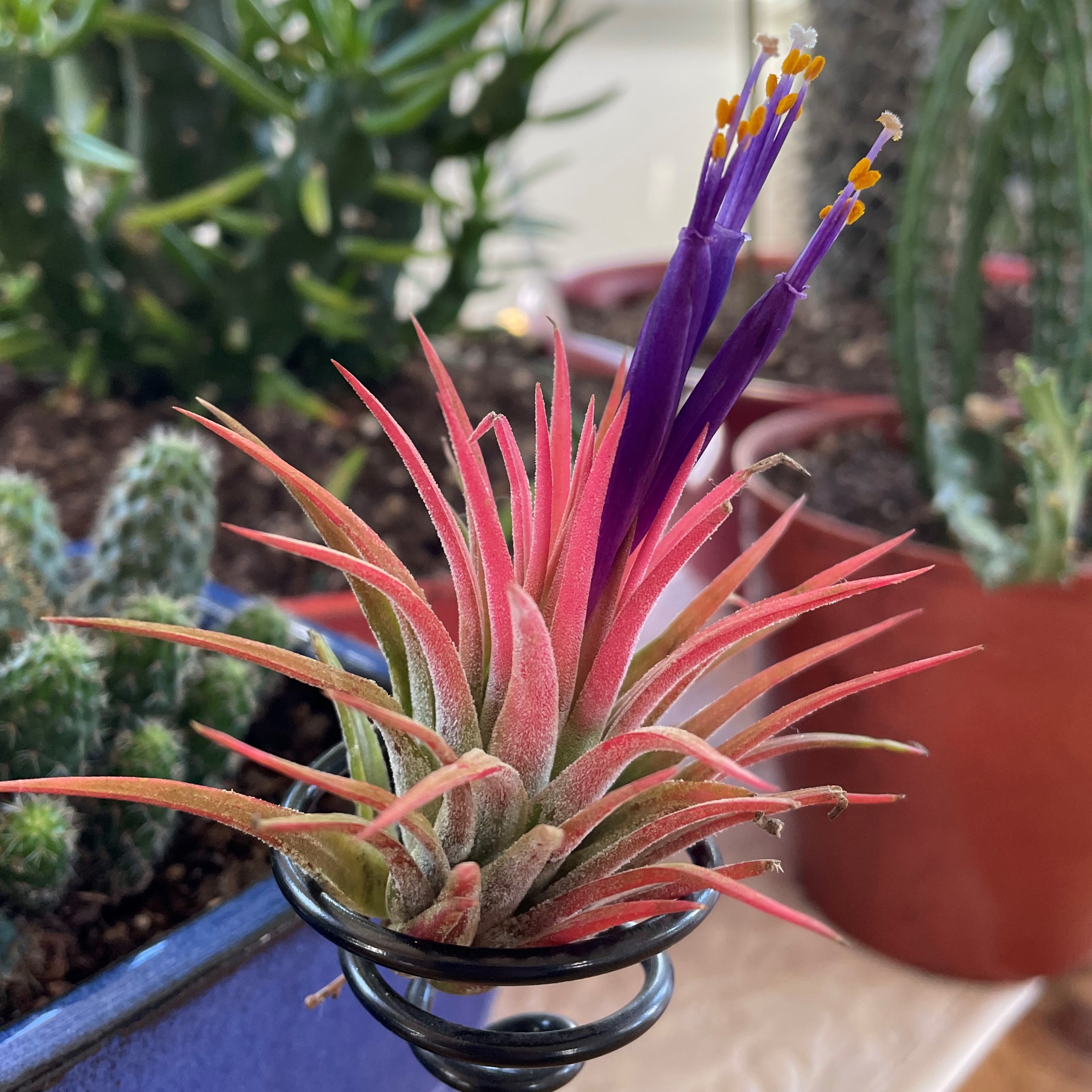
Air plants may flower, but they bloom just once in their lifetime and then die. Get new air plants by harvesting their pups, the name for baby air plants. Just before an air plant blooms, it will reproduce by sending out pups from its base. Pull the pup from the mother plant when the baby is 1/3 to 1/2 the size of the parent plant.
Air Plant Tillandsia kolbii (One Plant) Little Prince To Go
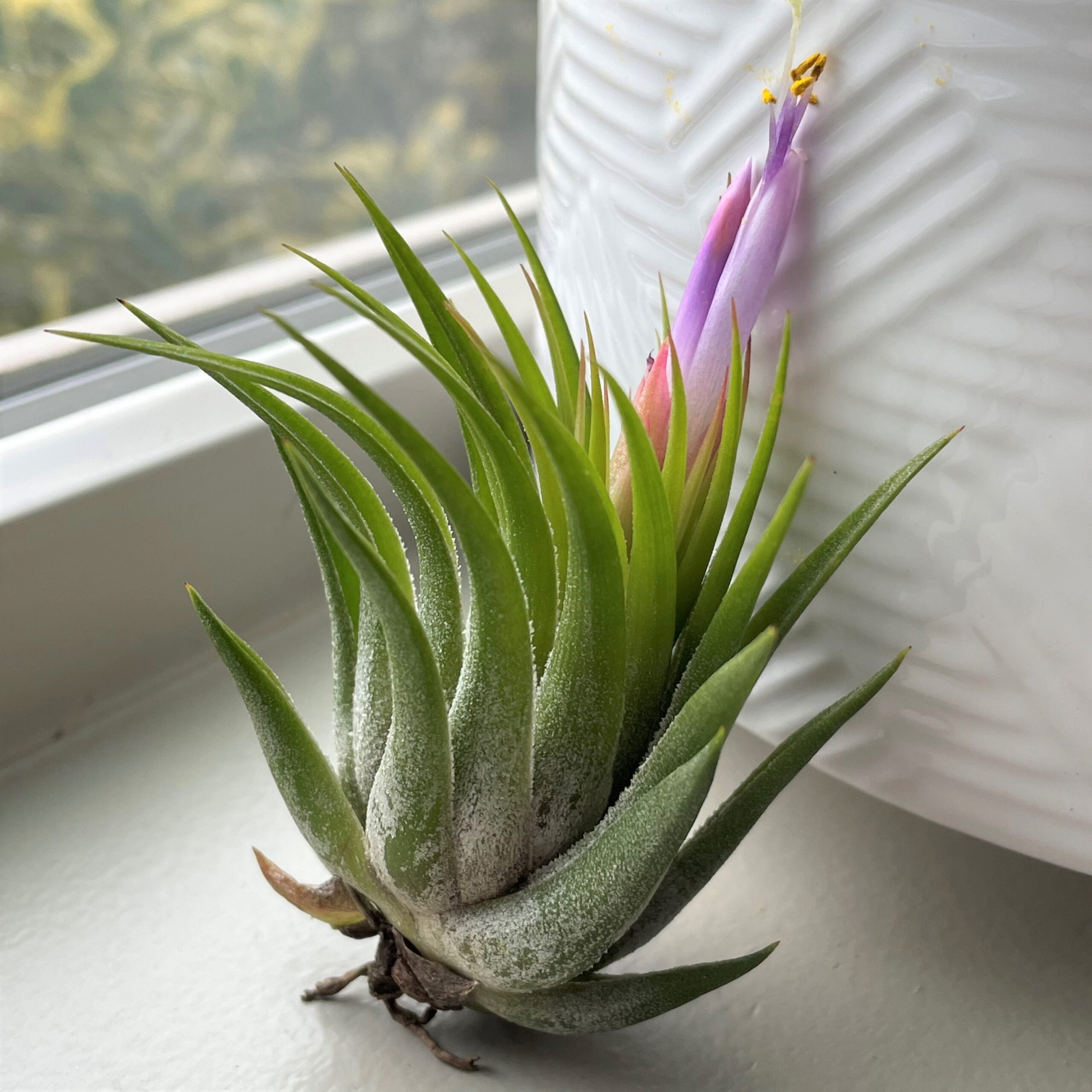
The coloring will last about the same as a normal bloom cycle. Please note these are live plants and with flourish if given moderate light and flexible watering. You will receive 1 air plant with care instructions. Watering - Once a week completely submerge the air plant in water and allow to soak for 30-60 minutes.
Sarnia chemical plant to shut down for maintenance after safety outcry

Kayla Gajdascz, the co-founder of Mental Houseplants, says, "Air plants can be attached to pieces of driftwood, cork, or even stones using a non-toxic adhesive.This mimics their natural habitat and creates a stunning natural display." E6000 adhesive, available on Amazon, is often recommended for attaching air plants to surfaces.It creates a strong, waterproof bond, which will come in handy.
How to Grow Air Plants
:max_bytes(150000):strip_icc()/how-to-grow-air-plants-5186311-25-90cbb9b35281480fbf15f36137440af4.jpg)
Your air plants will love a soak in some nutrient-rich fish water and it's a great free alternative to normal fertilizer. Recommend fertilizers for Tillandsia plants: The Grow Co. Organic Air Plant Food. Cute Farms Tillandsia Air Plant Fertilizer. Aquatic Arts Air Plant Fertilizer. Grow More Ready-to-Mix Bromeliad Tillandsia Food.
How to check soil temperature before planting vegetables easy ways

Air plants belong to the bromeliad family (Bromeliaceae), along with the pineapple or the urn plant. Plant Type and Habit: Air plants are perennial flowering plants that exhibit various growth habits, from compact rosettes to elongated, vine-like forms. Their adaptability allows them to thrive in a wide range of environments, from rainforests.
Air Plant Holder Stand Tabletop Metal Display Rack for Tillandsia House

Air Plant Care Guide: How to Grow Air Plants. Written by MasterClass. Last updated: Jun 7, 2021 • 3 min read. Air plants are small plants that absorb moisture from the air. They don't require soil, which makes them perfect for hanging from the ceiling as houseplants.
Air purifying plants 12 indoor varieties to grow

3. Know Which Style of Air Plant You Have. Air plants have many different varieties, but all varieties have 1 of 2 types of leaves. The first type of leaf is a coated leaf. These leaves have a white, dusty coating on them. This lets you know the variety of air plant you have comes from a dryer climate.
UAW vote at Tennessee plant will test resurgent labor movement KVNU

Mist air plants with water every 2 to 3 days or "bathe" the plant by immersing it in room-temperature water for 30 minutes every 7 to 10 days. If soaking the plant, lay it face down on a paper towel to dry out before putting it back in its container. Mist occasionally with diluted liquid houseplant fertilizer.
Sarnia chemical plant to shut down for maintenance after safety outcry

However, since these plants grow without soil, watering air plants can look a little bit different than watering your other houseplants. Most air plants can be successfully watered using a soaking method, where the plant is left to soak in a bowl of distilled water for 20 to 40 minutes every 1 to 2 weeks. However, some air plants prefer regular.
RAW MAP RUSSIA DESTROYS UKRAINE'S LARGEST POWER PLANT

The most common mistake with an air plant is not giving it enough water. Misting its leaves is a start, but to keep it alive you need to submerge Tillandsia in water every two weeks (you will be forgiven if you miss forget a few times). We're partial to Ionantha air plants because they are particularly hardy and low-maintenance. In nature air.
Milky Way F1 Grow Report Royal Queen Seeds
Grow air plants in bright but indirect light, such as near a window. They can tolerate some direct sunlight, but too much can cause their leaves to burn. Air plants require temperatures between 10-32°C and moderate humidity levels, around 40-60 percent, making them ideal for growing in terrariums and bathrooms.
Israel attacked Iranian air defenses at nuclear power plant. Both

Take a look at some of our favorite types of air plants, to find the right one for your houseplant display. 1. Tillandsia aeranthos. Ideal for beginners, this colorful air plant produces spidery green leaves and flowers reliably each year - its vivid pink or red bracts and deep purple petals putting on a dazzling show.