
Does Adding Pasta Water Really Make a Difference?
:max_bytes(150000):strip_icc()/__opt__aboutcom__coeus__resources__content_migration__serious_eats__seriouseats.com__2018__07__20160209-amatriciana-pasta-vicky-wasik-013-1500x1125-cd1195d8850b49ec99642562bdfa0a5b.jpg)
The Answer. The main reason we add salt to pasta water is to enhance the flavor of the pasta itself. Salt is a natural flavor enhancer, and by seasoning the water, the pasta absorbs the salt, making it tastier than if it were cooked in unsalted water. Adding salt to pasta water is similar to seasoning vegetables while cooking them.
You Should Always Salt Your Pasta Water—Here's Why Autumn pasta

The answer is no. According to Thermtest Instruments, adding salt to water does increase the boiling point as well as the heat capacity, or the "amount of heat that is required to raise the temperature of a substance by degree Celsius." But because you're usually only adding a minimal amount of salt for every pound of pasta, it doesn't have.
How Salty Should Pasta Water Be?
:max_bytes(150000):strip_icc()/__opt__aboutcom__coeus__resources__content_migration__serious_eats__seriouseats.com__images__2016__02__20160209-amatriciana-pasta-vicky-wasik-011-bf0b7888fa4a4de6b75415eeeef002b0.jpg)
To achieve the same level of saltiness, you would use nearly twice as much Diamond as Morton's. When it comes to salting pasta water, then, for every 4 quarts (or gallon) of water, go with 2.
When should you salt pasta water? How much?

The salt in the water raises the boiling point slightly, which creates a hotter cooking environment. This high heat helps the pasta cook more evenly, preventing it from becoming mushy or overcooked. Additionally, the salt reacts with the proteins in the pasta, strengthening them and resulting in a chewier and more al dente texture. In addition.
The Mindful Palate Why on earth do you add salt to boiling pasta water?

Exactly one degree hotter. So, unless you're adding an inedible amount of salt, you're not actually using enough to make a difference. The real reason to salt the pasta water is to season the noodle itself. You see, when you drop pasta into boiling water, the starch molecules swell and expand. As the pasta leeches those starches into the.
to Salt the Pasta Water? Take a Tip from Chez Pim Kitchn
Instructions. In a large stockpot, bring the water to a rolling boil over medium-high heat. Stir in the salt. Add the pasta and cook it according to the package directions, stirring occasionally and reducing the heat a bit if it starts to boil over, until the pasta is al dente. Drain off the excess water.
Here's Why You Must Absolutely Start Salting Your Pasta Water (That
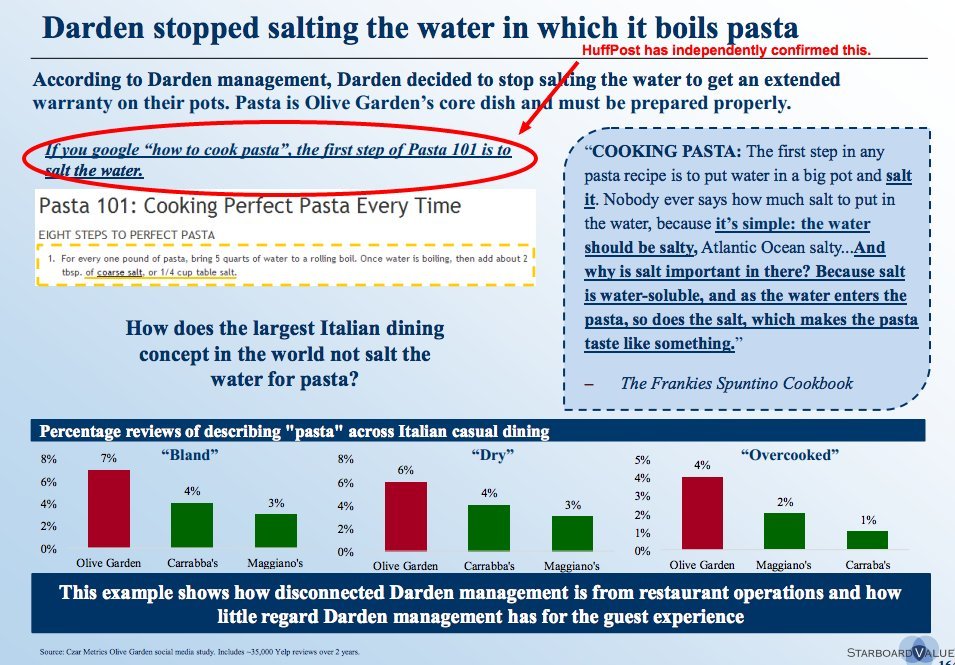
In her classic cookbook, The Essentials of Classic Italian Cooking, she recommends: "For every pound of pasta, put in no less than 1 ½ tablespoons of salt, more if the sauce is very mild and under-salted.". That amount is for regular kosher salt like Diamond Crystal, not sea salt, which is more potent. (If all you have at home is fine sea.
How To Salt Your Pasta the Right Gustora Foods Top Pasta Brands in

When pasta is cooked in salted water, the salt permeates the pasta, seasoning it from within. The starches in the pasta also absorb some of the salt, which further enhances the overall taste. Without salt, pasta dishes can often end up bland and lack depth of flavor. Moreover, salt helps to bring out the natural flavors of the pasta itself.
Why It's So Critically Important To Properly Salt Your Pasta Water
11. The addition of salt has at least 2 things going for it: It does help keep the pasta from cooking into water, thus improving texture (less sticky/gummy). When less of the starch and protein is leached out of the pasta, it will foam less as well! (Perform the 2 batch test, side by side.
Why Do We Add Salt to Foods?
Right, says Chef Boni: "The correct ratio is one gallon of water to four teaspoons of salt.". When it comes to how much water is needed for a batch of pasta, the chef says to check the box. "I always recommend plenty of water to start. Typically one gallon of water for one package of pasta is the recommended ratio.
How to Salt Pasta Water the Right Way Reader's Digest
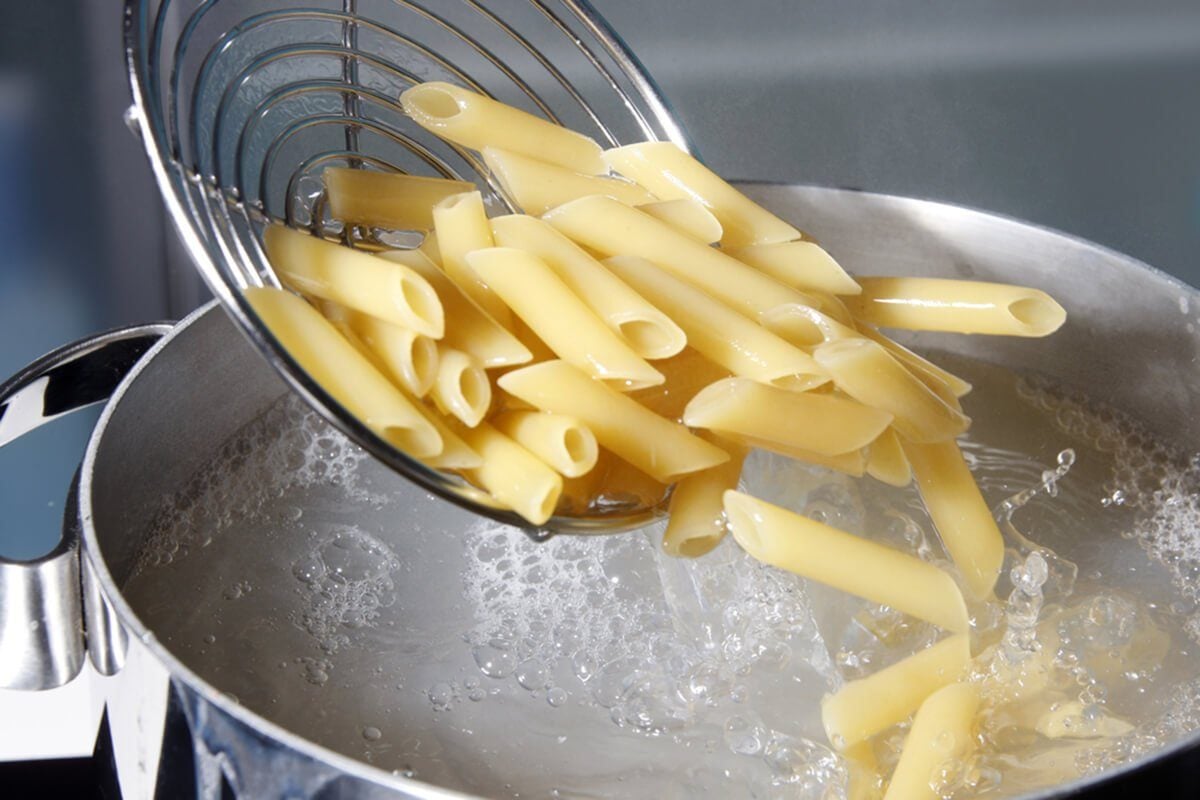
Salting the water before you add the pasta is the best way to get evenly seasoned noodles. And you should wait until the water is actually boiling. This not only helps the salt dissolve faster, but it also protects your pot. If added when the water is cold, the salt crystals can sink to the bottom and leave small, unsightly scratches and scuffs.
How To Salt Pasta Water YouTube

Pasta is typically made from wheat starch, which gels at around 131ºF (55ºC). The presence of salt interferes with this process. Generally, salt increases the temperature at which a starch mixture thickens. In other words, salt decreases starch gelatinization in the pasta. Another good thing is that salt reduces the amount of water the pasta.
How to Salt Pasta Water Easy Recipes POPSUGAR Food UK Photo 8
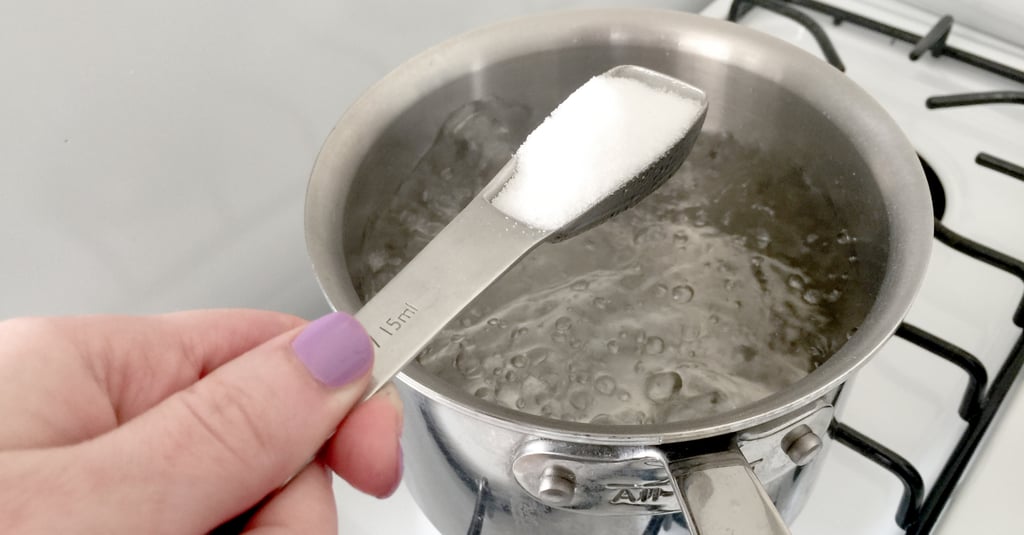
In general, add about 1-1/2 tablespoons of salt for every pound of pasta (you should use three or four quarts of water to boil a full pound). However, you can experiment a bit up and down to appeal to your taste. Be sure to bear in mind what sauces and finishes you'll be adding to your dish. If you plan on salty additions like anchovies or.
How to Properly Salt Pasta Water My Recipes YouTube

The main purpose of salted water is to enhance the taste and flavor of the pasta, rather than making it healthier. The nutritional value of the pasta itself remains unchanged, irrespective of whether or not you add salt to the cooking water. In conclusion, adding salt to boiling water when cooking pasta serves to improve the overall taste and.
How Much Salt Do You Really Need For Pasta Water? Easy tomato sauce

Yet, a good rule of thumb is that for every 1 pound of pasta, you'll need to fill a large pot with roughly 5 to 6 quarts of water and add 1 1/2 to 2 tablespoons of sea salt. While that may seem like a lot of salt, keep in mind that the pasta will not absorb it all, so most of it will go down the drain—literally.
Does Adding Salt to Water Make Pasta (and other foods) Cook Faster

Nanisimova. Check the box. No, seriously, check the side of the box for any box of pasta present in your cupboard. Pretty much without fail, "add salt to taste" is going to be on the side.